
TOP 10 Legendary Halloween Character Soundboards That Defined Fear
Looking for scary Halloween sounds? Explore 10 legendary character soundboards featuring iconic horror voices, laughs, breathing effects, and spooky reactions.
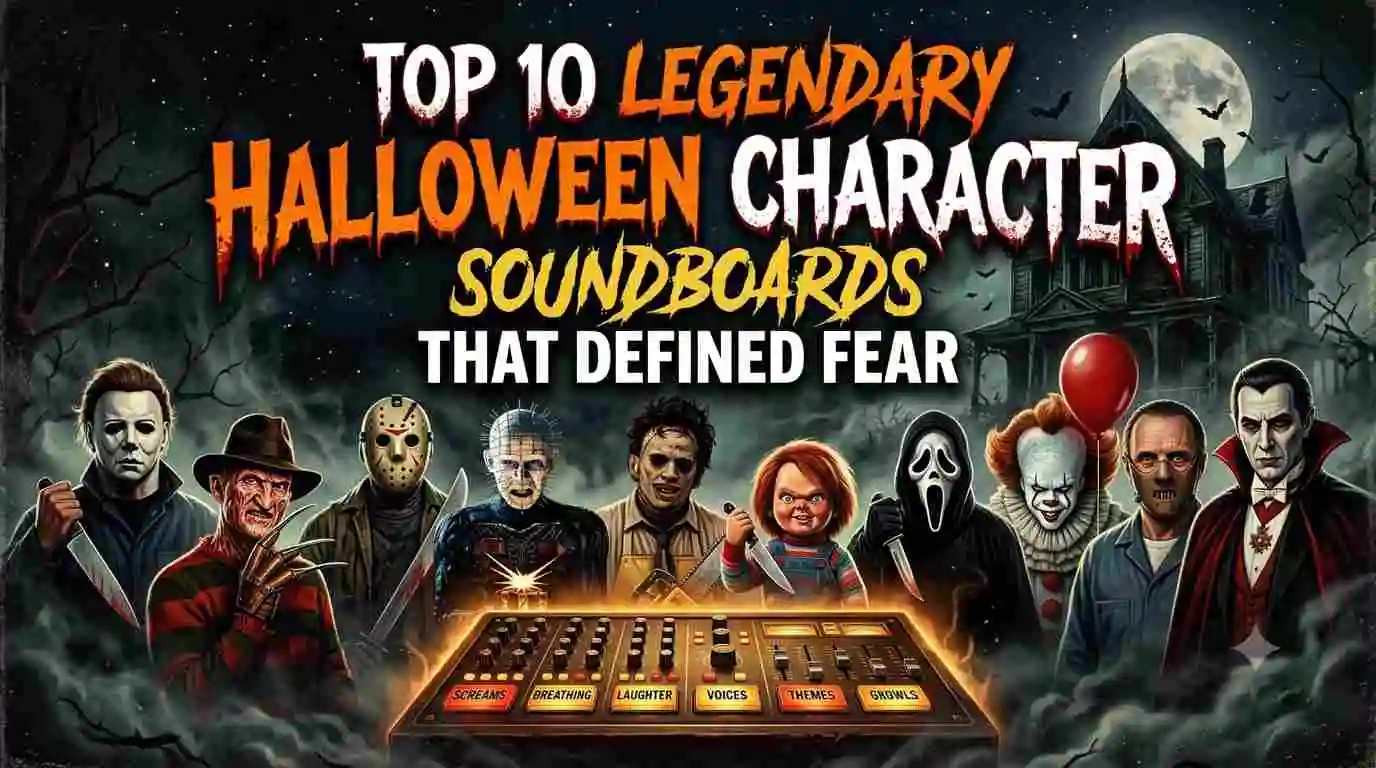
Halloween is usually associated with costumes, haunted houses, pumpkins, creepy decorations, and horror movies. But there is another ingredient that can make a Halloween experience instantly more frightening: sound. A familiar voice, sinister laugh, heavy breathing pattern, or chilling character sound can create tension before anything scary even appears on screen. That is exactly why Halloween character soundboards have become useful for parties, videos, streams, haunted attractions, gaming sessions, and Halloween pranks. Modern Halloween soundboards commonly include everything from screams and monster voices to creepy whispers and character-inspired effects, showing how important audio has become to creating a spooky atmosphere.
Some horror characters are remembered because of their appearance. Others are remembered because of what they sound like. Michael Myers has his eerie breathing and quiet presence, Ghostface has his recognizable phone conversations, Freddy Krueger has his distinctive voice and dark humor, while Pennywise turns an innocent-sounding laugh into something unsettling. A good character soundboard captures that audio personality and makes it possible to bring a little of that cinematic atmosphere into your own Halloween setup. Here are ten legendary characters whose voices, noises, and signature sounds have helped define the language of horror.
Why Horror Characters Sound So Memorable
A great horror sound does something strange to the imagination: it makes you picture something that you cannot see. A distant voice can feel more threatening than a monster standing directly in front of you because your brain fills in the missing details. This is why horror soundboards often combine character dialogue, breathing, laughter, footsteps, screams, and atmospheric effects rather than relying on one loud noise. Current Halloween soundboard collections commonly organize sounds around categories such as creatures, haunted voices, screams, witches, demons, and jump scares.
The Voice Behind the Mask
Character soundboards work particularly well when a villain has a strong audio identity. Sometimes it is a voice, sometimes it is breathing, and sometimes it is simply the sound associated with their presence. The important thing is recognition. When listeners hear a familiar sound and immediately know which character it represents, the effect has already done its job.
1. Michael Myers Soundboard
Michael Myers from Halloween is one of the clearest examples of how silence can become a horror sound. Rather than depending on constant dialogue, the character is often associated with slow movement, heavy breathing, footsteps, and the suspense created by his quiet presence. His audio identity works almost like a warning bell: you may not see him, but the sound tells you that something is nearby. The original Halloween film dates back to 1978, and Michael Myers remains one of the horror characters frequently associated with Halloween culture and costumes.
A Michael Myers-inspired soundboard can therefore be different from a typical character board. Instead of filling every button with dialogue, it can focus on breathing, footsteps, suspense effects, and other sounds that create anticipation. For a Halloween video, try placing a quiet breathing effect underneath a scene and then cutting to silence just before the visual reveal. That contrast can be more effective than simply playing a loud scare sound.
2. Ghostface Soundboard
Ghostface brings a completely different style of fear. The character's identity is strongly connected with voice and conversation, particularly the unsettling telephone interactions associated with the Scream franchise. Rather than simply appearing as a silent killer, Ghostface often talks, asks questions, jokes, and creates tension through conversation. That gives a Ghostface soundboard a huge range of possible sounds, from mysterious calls and breathing to dramatic voice clips.
The character's audio style works especially well for Halloween parties and prank-style content because a voice coming from an unexpected phone or speaker can create suspense without requiring elaborate decorations. If you're making a short video, you can also use a phone-ring effect before introducing the character-inspired audio. The combination creates a simple story: something rings, someone answers, and the atmosphere changes.
3. Freddy Krueger Soundboard
Freddy Krueger stands out because he does not treat fear completely seriously. His voice, laugh, sarcastic delivery, and distinctive personality make him different from the quiet slasher archetype. Originating in A Nightmare on Elm Street, Freddy became recognizable not only through his appearance but also through the way actor Robert Englund delivered the character's dialogue.
That makes a Freddy Krueger soundboard particularly useful for people who want Halloween audio with personality. Instead of relying only on screams, creators can use sinister laughter, dramatic voice clips, and character-style reactions to create a combination of comedy and horror. This is especially useful in gaming streams and Halloween videos where the goal is to entertain the audience while still maintaining a spooky theme.
4. Jason Voorhees Soundboard
Jason Voorhees is another horror character whose audio identity is based heavily on presence rather than conversation. Associated with the Friday the 13th franchise, Jason is famous for his hockey mask, imposing appearance, and largely silent persona. That silence creates an interesting challenge for soundboard creators: the best effects associated with Jason are often footsteps, environmental sounds, weapon-related cinematic effects, breathing, and suspense.
For Halloween content, a Jason-inspired board can work beautifully with a dark ambient background. Imagine footsteps slowly approaching while the screen remains empty. Nothing happens for several seconds. Then the character appears. The sound has already prepared the audience for the visual moment, which is exactly what good horror sound design is supposed to do.
5. Pennywise Soundboard
Pennywise demonstrates how laughter can become frightening. The character from Stephen King's It has been portrayed in different adaptations, with Tim Curry's performance in the 1990 miniseries and Bill Skarsgård's portrayal in the 2017 film and later sequel becoming particularly recognizable. The character's voice can move from playful and friendly to unsettling very quickly, creating an uncomfortable contrast.
A Pennywise soundboard can therefore include eerie laughter, unsettling greetings, whispers, and dramatic character moments. The contrast between a cheerful clown personality and an obviously threatening presence is what makes the sound style so effective. For Halloween creators, that makes Pennywise-inspired audio useful for haunted-house scenes, scary storytelling, reaction videos, and themed social content.
6. Chucky Soundboard
Chucky proves that a small character can make a huge amount of noise. The character from Child's Play combines a child's appearance with an aggressive adult personality, creating an intentionally uncomfortable contrast. Brad Dourif's voice performance became a major part of Chucky's identity, giving the character a recognizable combination of anger, humor, and manic energy.
A Chucky soundboard is therefore less about slow suspense and more about chaotic character energy. Laughter, angry reactions, threats, and exaggerated character moments can work particularly well in short videos. If your Halloween content needs something that feels creepy but also unpredictable and darkly humorous, Chucky's style fits naturally.
7. Beetlejuice Soundboard
Beetlejuice takes Halloween soundboards in a more eccentric direction. The character is associated with fast-talking dialogue, unusual reactions, strange laughter, and a deliberately chaotic personality. Unlike a traditional silent horror villain, Beetlejuice can turn a scary scene into something absurd within seconds.
That makes this type of soundboard useful beyond pure horror. A creator can use character-inspired reactions for memes, comedy edits, Halloween parties, costume performances, or themed livestreams. The lesson here is simple: Halloween sound does not always have to be terrifying. Sometimes the most memorable sound is the one that makes people laugh while keeping the supernatural atmosphere alive.
8. The Exorcist / Regan Soundboard
Some of horror's most recognizable sounds come from supernatural characters rather than masked killers. The Exorcist established a different kind of fear, using unsettling voices, whispers, supernatural dialogue, and disturbing changes in tone to create tension. The character of Regan became closely associated with the film's supernatural horror imagery.
For a Halloween soundboard, this style works particularly well when the goal is to build atmosphere rather than deliver a quick joke. A low-volume creepy voice can sit underneath a scene while a character walks through a dark room, enters an old building, or investigates something unexplained. The effect is subtle, but that subtlety can make the final scare feel much stronger.
9. Leatherface Soundboard
Leatherface from The Texas Chain Saw Massacre represents another approach to horror audio: raw physical sound. The character is strongly associated with the sound and imagery of a chainsaw, frantic movement, breathing, and chaotic action. Instead of relying on long conversations, the character's audio environment helps communicate danger.
A Leatherface-inspired soundboard can therefore focus on chainsaw-style effects, mechanical noises, heavy breathing, sudden impacts, and dramatic action cues. These sounds can be useful for Halloween haunted houses, horror edits, gaming clips, and fictional scenes. If you're building an intense audio sequence, try combining a quiet environmental track with one sudden mechanical sound rather than stacking several effects simultaneously.
10. Hannibal Lecter Soundboard
Hannibal Lecter represents a quieter form of fear. The character is frightening because of calm conversation, controlled delivery, and psychological tension rather than constant shouting. That makes Hannibal-inspired audio very different from a typical scream-based Halloween soundboard.
For creators, this style demonstrates that scary audio does not have to be loud. A calm voice placed inside an otherwise quiet scene can create tension because the audience starts listening more carefully. A Halloween character soundboard based around psychological horror can therefore include quiet dialogue-style effects, subtle ambience, footsteps, doors, and pauses. Sometimes the most unsettling sound is simply someone speaking calmly when everything else has gone silent.
How to Use Halloween Character Soundboards
A character soundboard can be useful for much more than pressing random buttons at a Halloween party. Today's Halloween soundboard apps and online platforms commonly support instant playback, and some offer features such as favorites, looping, timers, and sound organization.
For a haunted house, use atmospheric sounds continuously and save character sounds for specific moments. For a YouTube or TikTok video, place the character sound precisely where the visual joke or scare occurs. For gaming streams, short reactions and recognizable character effects can become recurring audio cues. For a Halloween party, character voices can help create themed moments without requiring an elaborate sound system.
The biggest mistake is using every scary sound at once. Horror works through contrast. A quiet room followed by one perfectly timed sound can be much more effective than ten loud effects playing simultaneously. Think of sound like lighting in a haunted house: sometimes darkness creates more anticipation than another flashing light.
Conclusion
The greatest Halloween characters are remembered for more than masks, costumes, and movie scenes. Their voices, breathing, laughter, footsteps, and signature sounds have become part of their identities. Michael Myers represents quiet suspense, Ghostface brings fear through conversation, Freddy Krueger adds dark humor, Jason relies on ominous presence, Pennywise twists laughter into something unsettling, and characters such as Chucky, Beetlejuice, Regan, Leatherface, and Hannibal Lecter demonstrate completely different approaches to horror.
That variety is what makes Halloween character soundboards so much fun. You can build an atmosphere around silence, create a sudden jump scare, add a recognizable character reaction, or simply give a Halloween party some personality. Current Halloween soundboard collections show that people continue to use scary audio for parties, haunted houses, horror videos, storytelling, gaming, and pranks.
FAQs About Halloween Character Soundboards
What is a Halloween character soundboard?
A Halloween character soundboard is a collection of buttons containing character voices, laughs, breathing, reactions, or other sounds associated with horror and Halloween characters.
Which horror characters work well on a Halloween soundboard?
Popular choices include Michael Myers, Ghostface, Freddy Krueger, Jason Voorhees, Pennywise, Chucky, Beetlejuice, Leatherface, and other recognizable horror characters.
Can I use Halloween character sounds in videos?
That depends on the specific recording and its copyright or licensing terms. A sound being available online does not automatically mean it is licensed for commercial or monetized use.
How can I make a Halloween soundboard more effective?
Focus on timing rather than simply adding more sounds. Combine quiet ambience with occasional character sounds, reactions, or carefully timed scares.
Can Halloween character sounds be used for parties?
Yes, character-inspired sounds can add atmosphere to Halloween parties, haunted houses, costume events, storytelling, and themed entertainment. Online Halloween soundboards are commonly designed for these types of uses.